Introduction
Some people live stories that sound too incredible to be true. Audie Murphy was one of them.
He was born poor. He grew up fast. He joined the army as a teenager. He became the most decorated American soldier of World War II. Then he came home and became a Hollywood star.
But even with all his fame and medals, Murphy never saw himself as a hero. He was just a young man who did what he had to do — and suffered quietly after it.
His life is more than just history. It’s a lesson in courage, sacrifice, and staying strong through pain. In this article, you’ll discover how a poor farm boy became a legend, and why his name still matters today.
A Hard Childhood in Texas
Born into poverty
Audie Murphy was born on June 20, 1925, in a small town called Kingston, Texas. He was the seventh of twelve children. Life was hard from the start. The Murphy family lived in deep poverty. They struggled to find food. Their house didn’t even have electricity or running water.
Losing his parents early
When Audie was still young, his father left the family. A few years later, his mother died. Murphy was just a teenager, but he was suddenly the head of the house. He had to take care of his brothers and sisters.
Dropping out of school to survive
He left school in fifth grade so he could work. He picked cotton. He hunted for food. He did everything he could to keep his family alive. These early struggles made him tough. He learned to survive when life gave him nothing. That toughness would later save lives on the battlefield.
A Young Boy’s Dream to Serve
Inspired by Pearl Harbor
When Japan attacked Pearl Harbor in 1941, everything changed. America entered World War II. Like many young men, Audie wanted to fight. He felt a deep sense of duty. He also saw the army as a way to escape poverty.
Rejected for his age and size
Murphy tried to join the Marines, the Navy, and even the paratroopers. But they all turned him down. He was too young, too small, and too light. He weighed only 110 pounds and stood just 5’5”.
Never giving up
Still, he didn’t quit. With help from his sister, who changed his documents, Audie lied about his age. In 1942, the U.S. Army finally accepted him. He was just 17 years old. That one decision would change his life — and American history.
Becoming a Soldier
Army finally accepts him
After joining the Army, Audie was sent to Camp Wolters in Texas for basic training. He later trained at Fort Meade in Maryland. Many still thought he was too small to fight. But he worked harder than anyone else.
Training days and early struggles
Training was rough. The physical tests were hard. The drills were exhausting. But Murphy never gave up. He kept pushing forward. He wanted to prove that he could fight like anyone else.
First taste of war
In 1943, Murphy was sent overseas. First to North Africa, then to Sicily, Italy. This was his first real battle zone. The gunfire, the explosions, the fear — it was all real. But he kept calm. He followed orders. And slowly, others began to see his bravery.
First Battles in Europe
Fighting in Italy
Murphy’s unit fought their way through Italy. The weather was cold. The mountains were steep. The enemy was strong. Many soldiers didn’t make it. But Murphy kept going. He showed courage under fire.
Learning to survive
He didn’t panic. He didn’t freeze. He kept moving. He learned how to survive — and how to help others survive too. He became known for his skill with a rifle. He could shoot fast and accurately.
Earning trust on the battlefield
Murphy earned the respect of his fellow soldiers. They trusted him. Even the officers began to notice. He wasn’t just another kid. He was becoming a leader.
Brave Beyond Words
Saving lives under fire
In battle after battle, Audie risked his life to save others. He dragged wounded men to safety. He ran through gunfire to deliver messages. He charged enemy positions head-on. These were not easy decisions. But he did them without hesitation.
Promotions from bravery
His actions didn’t go unnoticed. Murphy was promoted again and again. He rose from Private to Second Lieutenant. His rank kept going up, but his humility stayed the same.
Soldiers begin to follow him
His fellow soldiers followed him not because of his title, but because they believed in him. He was a fighter. He was smart. And most of all, he cared about his men.
The Day That Made Him a Legend
The battle of Holtzwihr
On January 26, 1945, near Holtzwihr, France, Murphy’s unit faced a huge German attack. The enemy had tanks, machine guns, and hundreds of soldiers. They were outnumbered. They were low on ammo.
One man vs tanks and troops
Murphy ordered his men to fall back. But he stayed. He climbed onto a burning tank destroyer and used its .50-caliber machine gun. For almost an hour, he held off the Germans alone. He was shot in the leg, but he didn’t stop.
Winning the Medal of Honor
He killed over 50 enemy soldiers and saved his entire unit. For this act of courage, Murphy was awarded the Medal of Honor, the highest military award in the U.S. Even after that, he stayed humble. He never called himself a hero.
A Wall of Medals
All 33 awards he received
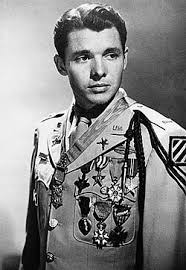
By the end of the war, Audie Murphy had received 33 medals and decorations. These included:
- Medal of Honor
- Distinguished Service Cross
- 2 Silver Stars
- 2 Bronze Stars
- 3 Purple Hearts
- Legion of Merit
- Combat Infantry Badge
What each one means
These awards were not for showing up. They were earned through fire, blood, and bravery. Each medal told a story. Each one stood for a moment where Murphy chose courage over fear.
Recognized by other countries too
Murphy also received awards from other nations, including France and Belgium. They saw what he had done and honored him for it. No other American soldier in World War II was awarded more.
War Leaves Scars
PTSD and silent pain
Even though the war was over, the battle inside Murphy was not. He suffered from Post-Traumatic Stress Disorder (PTSD). Back then, it wasn’t well understood. He had nightmares. He couldn’t sleep. He was always on edge.
Nightmares and struggles
He often slept with a loaded gun under his pillow. Loud noises made him panic. Crowds made him nervous. He tried to hide it, but the pain was deep.
Speaking up when others stayed quiet
Most people didn’t talk about mental health in those days. But Murphy did. He spoke openly about his PTSD. He wanted the government to help veterans. He told the truth, even when it was hard. That made him a different kind of hero.
Finding Life After War
Back home and feeling lost
When Murphy returned home, he was a national hero. His picture was on magazine covers. People wanted to meet him. He was famous overnight. But inside, he felt lost. The war had changed him.
He didn’t feel comfortable with fame. Parades and applause didn’t erase the memories. He missed his fallen friends. He had pain in his heart and mind. He tried to find peace but didn’t know how.
Trying to find a new purpose
He tried farming, but it didn’t last. He tried business deals, but many failed. He was searching for something that made sense. Something to help him feel normal again.
Hollywood enters his life
That’s when someone suggested acting. He was handsome. He had a true story. Maybe, they said, he could play himself in a movie. At first, he laughed at the idea. But eventually, he said yes. It gave him something to do. Something to focus on.
Becoming a Movie Star
To Hell and Back – playing himself
In 1955, Universal Studios made a movie based on Murphy’s life: “To Hell and Back.” Murphy played himself. He re-lived the war on camera. It was hard, but he did it.
The movie was a big hit. It became one of the top-grossing films of its time. People were amazed. They saw a real hero, not an actor pretending to be one.
40+ movies, mostly Westerns
After that, Murphy acted in over 40 films, mostly Westerns. Some of his well-known movies include:
- The Red Badge of Courage
- No Name on the Bullet
- The Quiet American
- Night Passage
- Gunpoint
He was quiet on screen. Serious. Strong. He wasn’t flashy. But that made him real. Audiences believed him. Directors respected him.
A humble actor with a real story
Even with his success, Murphy stayed humble. He didn’t act like a star. He didn’t chase the spotlight. He just worked hard, like he always had.
Writing His Truth
His powerful autobiography
Before the movie, Murphy had already written his autobiography — also called “To Hell and Back.” It was published in 1949. The book told his full war story. It didn’t hold back.
He wrote about fear, death, and pain. About losing friends. About the ugly side of war. Readers were shocked. But they were also moved. Many veterans said it was the first time they felt understood.
Poetry, songs, and scripts
Murphy didn’t stop with books. He also wrote poems, film scripts, and even song lyrics. One of his songs, “Shutters and Boards,” became popular. His writing often showed sadness and honesty. It was another way for him to heal.
Writing to heal and help others
He didn’t write for fame. He wrote because he had something to say. His words helped people — especially veterans — feel less alone.
A Voice for Veterans
Fighting for PTSD awareness
Long before PTSD was a known term, Murphy talked about it. He said war doesn’t end when the shooting stops. It keeps living in the minds of those who fought.
He told the government to do more. He asked for better mental health care for veterans. He said soldiers needed help — not just medals.
Testifying in Congress
Murphy even spoke in Congress. He used his fame to help others. Not for money. Not for attention. Just because he cared.
Helping others behind the scenes
He also helped other veterans quietly. He gave money. He made calls. He stood up for the forgotten ones. He never forgot where he came from.
The Quiet Family Man
Marriage, kids, and private life
Murphy married Pamela Archer in 1951. They had two sons. At home, he was a simple man. He didn’t talk much about war. He didn’t brag about his past.
He tried to give his family a normal life. It wasn’t always easy. His PTSD sometimes made things hard. But he loved his wife and kids deeply.
Simple joys like riding horses
He loved horses. He enjoyed riding, being outside, and staying close to nature. He also bred horses and spent time on his ranch.
Staying true to his values
Fame never changed him. Money didn’t either. He stayed honest. Loyal. Humble. That’s what people loved about him. He didn’t just act brave — he lived it.
Gone Too Soon
A tragic plane crash
On May 28, 1971, Murphy died in a plane crash near Roanoke, Virginia. He was only 45 years old. He was flying on a business trip. Bad weather caused the crash. Everyone on board died.
National mourning
The news shocked the country. Newspapers, TV, and radio honored him. People cried. Veterans saluted. A hero had fallen — not in battle, but in peace.
Buried at Arlington
Murphy was buried at Arlington National Cemetery. His grave is one of the most visited in the entire cemetery. Even today, people leave flowers, flags, and notes. His story still touches hearts.
A Hero Remembered Forever
Museums, roads, and schools in his name
All across the country, people have honored Murphy. There are statues, schools, roads, and even military buildings named after him. In his home state of Texas, there’s the Audie Murphy American Cotton Museum.
Still inspiring new generations
Young people learn about him in schools. Veterans honor him at events. His movies play on TV. His quotes are shared online. His story still inspires.
Why his legacy will never fade
Because Audie Murphy was real. He wasn’t perfect. He hurt. He struggled. But he still stood up, again and again. And that’s what makes him unforgettable.
Conclusion
Audie Murphy didn’t set out to be famous. He didn’t want medals. He just wanted to do what was right.
He fought bravely in war. He spoke honestly about pain. He helped others quietly. He stayed humble when the world called him a hero.
His life reminds us that strength isn’t about size. It’s not about power. It’s about heart. About standing up when it’s hard. About speaking up when others stay silent.
Audie Murphy was more than a soldier, more than a movie star. He was a true American hero — one whose story we should never forget.
FAQs
1. Why is Audie Murphy famous?
He became the most decorated American soldier in World War II, later becoming a successful Hollywood actor and veterans’ advocate.
2. What made him a war hero?
His bravery during battle, especially his one-man stand against tanks and enemy troops in France, earned him the Medal of Honor and worldwide respect.
3. Did he really act in movies?
Yes. He starred in over 40 films, including playing himself in “To Hell and Back.” He mostly acted in Westerns and war movies.
4. How did he deal with PTSD?
Murphy openly spoke about his struggles with PTSD, helping to raise awareness and push for better treatment for veterans.
5. Where can I visit his memorial?
Audie Murphy is buried at Arlington National Cemetery. His grave is a popular site for visitors paying tribute.
For more articles please click here
For more detail about this article please click here